Muslim-Friendly Spain: Halal Food, Mosques, Prayer and Ramadan
How to travel in Spain with confidence as a Muslim visitor: checking halal certification, finding mosques, planning prayer and Ramadan, and the right questions to ask hotels.
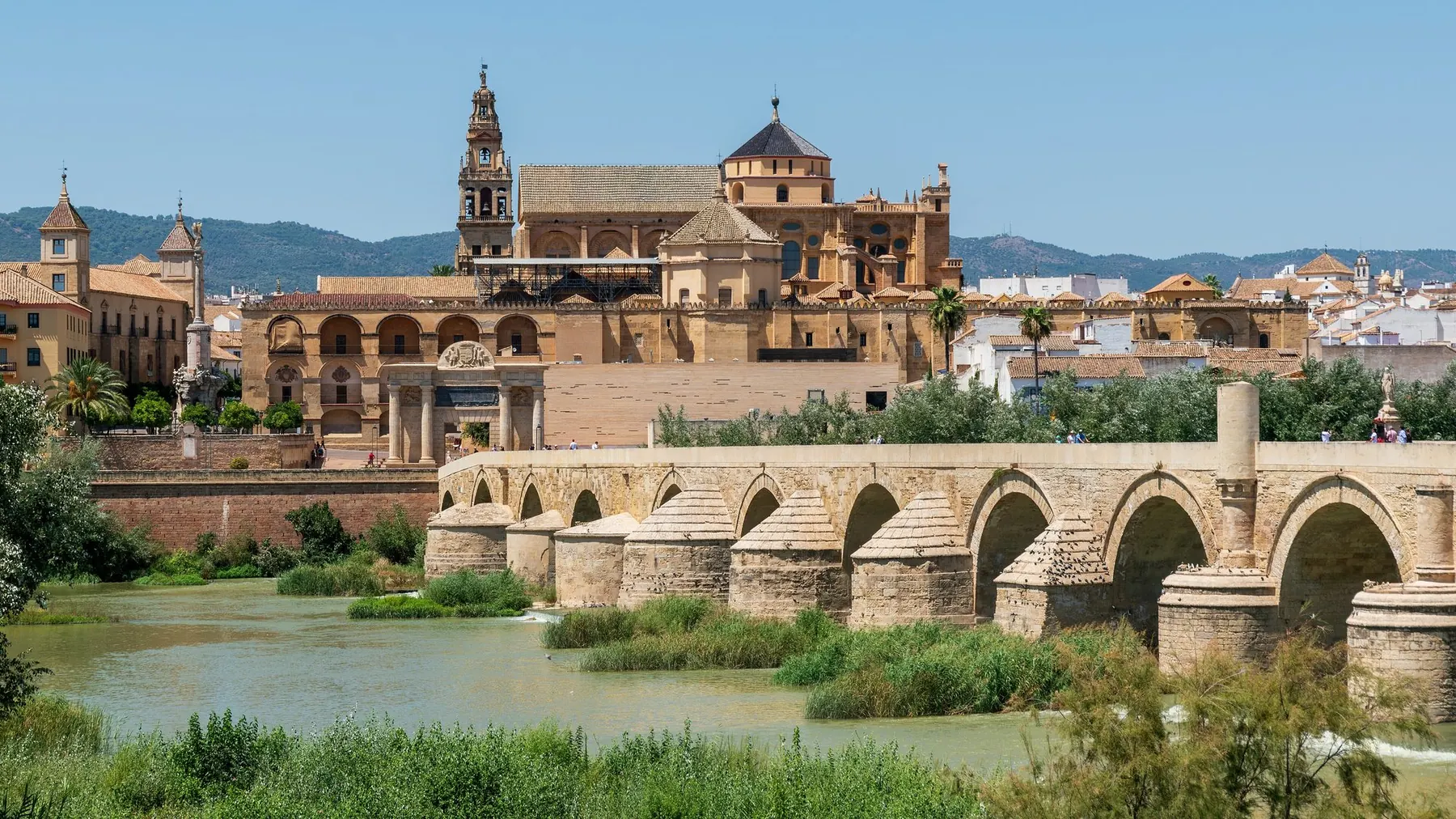
Spain is one of the most meaningful destinations in Europe for Muslim travellers. Eight centuries of Al-Andalus left monuments, place names and even everyday Spanish words of Arabic origin, and today the country is home to a sizeable and long-established Muslim community. Travelling here as a Muslim is straightforward with a little preparation: knowing how to check whether food is halal, where to pray, how long summer days are, and which questions to ask your hotel.
This guide gives practical, verifiable information. It does not label any restaurant as halal: that is something to confirm directly with each business.
Halal food in Spain: how it works
The legal background
Spain's cooperation agreement with the Islamic Commission of Spain (Comisión Islámica de España, CIE), approved by Law 26/1992, recognises the term halal for food prepared according to Islamic law and provides for a guarantee mark registered by the CIE. The CIE states that it owns the "Halal España" mark, and that certification itself is carried out by independent certification bodies. Several private certifiers operate in Spain; one of the best known is Instituto Halal, based in Córdoba, which certifies food, cosmetics and other products and publishes a directory of its certified clients online.
In practice, this means there is no single government logo on every halal product or restaurant. Instead, you will find certificates and seals from different certification bodies.
How to check a restaurant or shop
- Ask directly. "¿Es halal? ¿Tiene certificado?" (Is it halal? Do you have a certificate?) Staff are used to the question in areas with Muslim communities.
- Look at the certificate. Check the name of the business, the certifying body, the date of issue and the expiry date.
- Check what it covers. A butcher's certificate covers the meat it sells; a restaurant may buy certified meat but also serve alcohol or cook other dishes in the same kitchen. Decide what matters to you and ask.
- Verify online if in doubt. Certifiers such as Instituto Halal list their certified clients on their websites; you can also contact the certifier directly.
Where halal food is easier to find
Halal butchers and restaurants serving Moroccan, Lebanese, Syrian, Turkish or Pakistani cuisine are common in parts of Madrid (such as Lavapiés and around the M-30 mosque), Barcelona (the Raval), Granada (around Calle Calderería in the lower Albaicín), Málaga and along the Costa del Sol. Many international hotels in Madrid, Barcelona and Marbella can arrange halal meals on request, but this depends entirely on the hotel.
Ordering in a Spanish restaurant
Spanish cuisine uses pork and wine widely, sometimes in ways that are not obvious:
- Cured ham (jamón) and chorizo appear in salads, croquetas, stews and even vegetable dishes.
- Lard (manteca de cerdo) is traditional in some pastries and sweets, especially at Christmas.
- Wine and sherry are used in sauces and stews.
- Gelatine in sweets is often of pork origin.
Useful phrases: "sin cerdo" (without pork), "sin alcohol ni vino" (without alcohol or wine), "¿lleva cerdo?" (does it contain pork?), "solo pescado o verduras" (only fish or vegetables). Grilled fish (pescado a la plancha), seafood and vegetable dishes are widely available everywhere.
Mosques and places of prayer
Córdoba: history, not prayer
The Mosque-Cathedral of Córdoba is the most important Umayyad monument in the West, begun in 785 under Abd al-Rahman I. It has been a Catholic cathedral since the thirteenth century and remains an active one. Muslim prayer is not permitted inside, and visitors are asked to respect this. It is best experienced as a historic monument; our Al-Andalus heritage trail tells its story.
Granada: the Mezquita Mayor
In the Albaicín, next to the Mirador de San Nicolás, the Mezquita Mayor de Granada opened in 2003, the first major mosque built in the city since 1492. Its garden faces the Alhambra. Its official website describes an open-door policy, with the prayer hall and garden open to visitors at set hours. Dress modestly and check current times before visiting.
Madrid: two main mosques
- Islamic Cultural Centre of Madrid, widely known as the M-30 Mosque, on Calle Salvador de Madariaga. Opened in 1992, it is one of the largest mosques in Spain and includes a prayer hall, library and cultural facilities.
- Central Mosque of Madrid (Abu Bakr Mosque) in the Tetuán district, near Estrecho metro station. Opened in 1988, it is the seat of the Islamic Commission of Spain.
Both hold the five daily prayers and Friday prayers. Smaller prayer rooms exist across the city.
Marbella and the Costa del Sol
The Mosque of King Abdulaziz on Marbella's Golden Mile is one of the best-known mosques in southern Spain and serves the many Muslim residents and visitors on the coast. Málaga, Fuengirola and other towns also have mosques.
Barcelona, Valencia and elsewhere
Most Spanish cities have mosques or prayer rooms run by local communities, often in converted premises rather than purpose-built buildings. Ask your hotel, a local halal butcher or the community for the nearest one.
Prayer times and long summer days
Spain uses Central European Time (UTC+1, UTC+2 in summer), even though much of the country lies further west. As a result, sunrise and sunset are late by Middle Eastern standards. In Madrid around the June solstice, sunset is after 21:30, so Isha falls late at night and Fajr very early. In December, sunset is around 18:00.
- Use a prayer-times app set to your exact city, or the timetable published by a local mosque.
- The qibla from Spain points roughly east-southeast.
- Carry a light prayer mat; parks and hotel rooms are the easiest places to pray during sightseeing days.
- Plan visits to large monuments around prayer times if precision matters to you.
Ramadan in Spain
Ramadan 2027 is expected to begin around 8 February 2027, subject to moon sighting. In February, days in Spain are relatively short and cool, which makes fasting comfortable.
- Iftar: restaurants in Spain serve dinner late anyway, so finding a meal after sunset is easy. In cities with Muslim communities, some restaurants offer special iftar menus.
- Suhoor: ask your hotel in advance whether breakfast can be prepared early or left in your room.
- Sightseeing: plan heavy walking for the morning and rest in the afternoon.
- Mosques: large mosques in Madrid and Granada hold tarawih prayers; times vary each year.
Hotels, pools and beaches: questions to ask
Spain has no specific "halal hotel" category. The best approach is to ask clear questions before booking:
- Can the minibar be emptied of alcohol, or provided alcohol-free?
- Can you prepare halal meals, or recommend certified restaurants nearby?
- Is there a private pool, a villa or a suite with a private terrace?
- Are there women-only hours at the spa or pool?
- Can you arrange early breakfast or suhoor during Ramadan?
- Do you have interconnecting rooms or family suites?
On public beaches, modest swimwear is common and generally accepted. Hotel pools and private clubs may set their own rules on swimwear, so ask beforehand. Families wanting privacy often choose villas with private pools on the Costa del Sol or around Marbella.
Planning your trip
Muslim travellers often build their trip around Al-Andalus heritage: see Andalusia in seven days and the Alhambra guide. We arrange private visits such as Córdoba: Mosque-Cathedral and Jewish Quarter and Granada: Alhambra and Albaicín, and custom programmes that leave room for prayer and meal times. Tell us your preferences through the trip planner and the team will take them into account when confirming your plan.
Questions readers ask
Is it easy to find halal food in Spain?
How can I check a halal certificate in Spain?
Can I pray inside the Mosque-Cathedral of Córdoba?
When is Ramadan in 2027?
Are modest swimsuits allowed on Spanish beaches?
Sources
- BOE — Law 26/1992, Cooperation Agreement with the Islamic Commission of Spain (art. 14, halal)
- Comisión Islámica de España — Halal
- Instituto Halal
- Instituto Halal — directory of certified clients
- Mezquita Mayor de Granada — official site
- Mezquita-Catedral de Córdoba — official site
Opening times, ticket rules and fares change. Always confirm on the official site before you travel.


