The Best Time to Visit Spain: Month by Month and Region by Region
A clear month-by-month guide to Spain's seasons, regions and festivals, so you can match your dates to the trip you want.
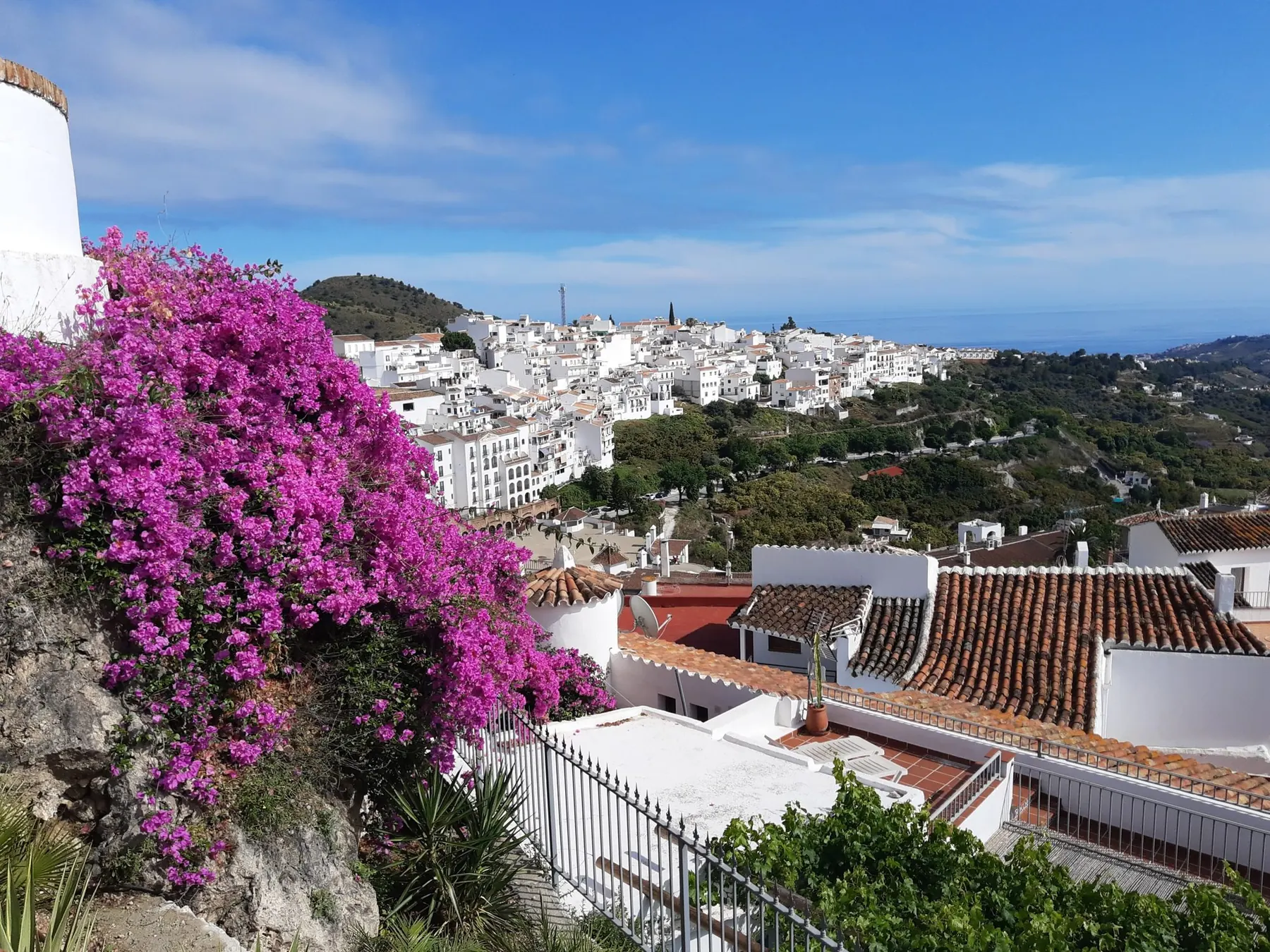
Spain is a year-round destination, but it is not the same country every month. A sunny October afternoon in Seville, a July evening on the Costa del Sol and a crisp December morning in Madrid are three very different trips. The right time to visit depends on what you want to do, who you are travelling with and how you feel about heat and crowds. This guide breaks it down by season, by region and by month, with the festivals worth planning around.
The short answer
- Best overall: April to early June and mid-September to October. Warm days, long evenings, comfortable sightseeing.
- Best for beaches: June to September on the Mediterranean coast; July and August are the warmest and busiest.
- Best for city breaks on a budget: November to February, outside Christmas and New Year.
- Hardest for sightseeing: July and August inland, when Seville, Córdoba and Madrid are very hot in the afternoon.
Spain's climate regions in brief
| Region | Character | Summer | Winter |
|---|---|---|---|
| Inland centre (Madrid, Toledo, Segovia) | Continental plateau, dry | Hot days, cooler nights | Cold, often sunny; frost possible |
| Inland Andalusia (Seville, Córdoba, Granada) | Hot, dry summers | Very hot, often 35–40 °C or more in the afternoon | Mild days; Granada cold at night |
| Mediterranean coast (Barcelona, Valencia, Málaga) | Mild, sea-tempered | Warm and humid, busy beaches | Mild, especially on the Costa del Sol |
| Atlantic north (Basque Country, Galicia, Asturias) | Green, maritime | Mild, pleasant escape from the heat | Cool and rainy |
| Canary Islands | Subtropical | Warm | Warm; a popular winter escape |
Temperatures are indicative only. AEMET, Spain's meteorological agency, publishes reference climate data for each city if you want precise averages.
Month by month
January and February
Cool to cold inland, mild on the south coast. Cities are calm after the holidays, which makes it a good time for museums and the Alhambra without the spring crowds. The January sales begin in early January. In February, carnival is celebrated across Spain, most famously in Cádiz. Ramadan 2027 is expected to begin around 8 February, when days are short and cool.
March
Spring arrives in the south, with orange blossom in Seville by the end of the month. In Valencia, Las Fallas (15–19 March) fill the city with giant sculptures, fireworks and crowds; they are spectacular, but book well ahead and expect noise and closed streets. In 2027 Holy Week falls early, from 21 to 28 March.
April
One of the best months for Andalusia, with mild temperatures and gardens in flower. Seville's April Fair (Feria de Abril) usually takes place about two weeks after Easter, in mid-April in 2027; check the city's official calendar for exact dates. Prices and demand peak around Easter and the Fair.
May
Arguably the best month in Spain: warm but not hot, long days, everything open. Córdoba holds its Festival of the Patios in May, when private courtyards filled with flowers open to visitors. Madrid celebrates its patron saint, San Isidro, around 15 May.
June
The beach season starts, days are at their longest and evenings are glorious. Inland Andalusia begins to get hot by late June. A good month for combining cities in the morning with a coastal finish.
July and August
High summer. The Mediterranean coast and the islands are at their busiest; inland cities are very hot in the afternoon, and many local businesses close for holidays in August, especially in Madrid. If you travel now, plan early-morning visits, a long rest in the afternoon and evenings outdoors, or base yourself by the sea. The Feria de Málaga in August and the north of Spain, with its milder climate, are other options.
September
The heat eases through the month, the sea is at its warmest and the crowds thin after the first week. Barcelona celebrates La Mercè around 24 September. An excellent month for combining beach and culture.
October
Warm, golden days in the south, cooler evenings inland. One of the best months for Andalusia and for day trips from Madrid. 12 October is Spain's national holiday.
November
Quieter and cheaper, with mild days in the south and on the coast and the first cold mornings inland. Christmas lights go up in Madrid and other cities from late November.
December
Festive and atmospheric: lights on Madrid's streets, Christmas markets, nativity scenes and long lunches. Málaga's Calle Larios is famous for its light displays. Christmas and New Year are busy, and many attractions close or shorten hours on 24, 25 and 31 December and 1 January. On the evening of 5 January, Three Kings parades take place in every city, a highlight for families.
Summary table
| Month | Inland cities | Mediterranean coast | Crowds | Highlights |
|---|---|---|---|---|
| January | Cold, sunny | Mild | Low | Sales, quiet museums |
| February | Cool | Mild | Low | Carnival |
| March | Mild | Mild | Medium | Las Fallas; Holy Week (2027) |
| April | Warm | Mild | High around Easter | April Fair, blossom |
| May | Warm | Warm | Medium–high | Córdoba Patios, San Isidro |
| June | Hot by month-end | Warm, beach season | High | Long evenings |
| July | Very hot | Hot, humid | Very high on coast | Beach holidays |
| August | Very hot | Hot, humid | Very high on coast | Feria de Málaga |
| September | Warm to hot | Warm sea | Medium–high | La Mercè |
| October | Warm | Mild | Medium | Ideal for Andalusia |
| November | Cool | Mild | Low | Good value |
| December | Cold, sunny | Mild | High at holidays | Christmas lights, Three Kings |
Holidays, long weekends and closures
A few calendar details can shape your plans as much as the weather:
- National holidays observed across Spain include 1 January, 6 January (Epiphany), Good Friday, 1 May, 15 August, 12 October, 1 November, 6 December, 8 December and 25 December. Each region and city adds its own, such as San Isidro in Madrid.
- Long weekends (puentes) happen when a holiday falls near a weekend. Spaniards travel too, so hotels in popular cities and on the coast fill quickly; early December and Easter are classic examples.
- Weekly closures: many museums and monuments close one day a week, often Monday, and some shops outside the main shopping streets close on Sundays.
- August in Madrid: some family-run restaurants and shops close for two or three weeks, while big attractions stay open.
When to book
- The Alhambra: as soon as your dates are fixed, especially for spring and autumn.
- Holy Week, the April Fair and Las Fallas: hotels several months ahead.
- July and August on the coast: hotels, villas and cars early in the year.
- Trains: fares on popular routes rise as the date approaches, so book once your route is settled.
Matching the season to your trip
- Al-Andalus heritage route: March to May or late September to November. See Andalusia in seven days.
- Family beach holiday: June or September for space and warm water; July and August for the full summer atmosphere on the Costa del Sol or in Valencia.
- Madrid and day trips: April–June and September–November. See day trips from Madrid.
- Shopping: the January and July sales. See our shopping and tax-free guide.
- Festivals: book hotels for Holy Week, the April Fair and Las Fallas months ahead.
A note on heat and families
If your only dates are in July or August, Spain still works well with the right rhythm: monuments at opening time, a long lunch and rest, and evenings out with local families. Our family guide has practical tips, and a car with driver makes short hops between air-conditioned spaces much easier.
Whatever the season, we design itineraries around weather, events and your pace through custom programmes, including private days such as Seville: Alcázar and Santa Cruz planned for the cooler hours. Share your dates through the trip planner and the team will suggest the best fit.
Questions readers ask
What is the best month to visit Spain?
Is Spain too hot in summer?
When is Holy Week in 2027?
Is winter a good time to visit Spain?
Sources
- AEMET — Climatological reference values
- Spain.info — Official tourism website of Spain
- Visit València — Official tourism website (Las Fallas)
- Visita Sevilla — Official tourism website of Seville
- Ayuntamiento de Córdoba — Festival of the Patios
Opening times, ticket rules and fares change. Always confirm on the official site before you travel.


