Spain with Children: Cities, Pacing, Heat and Car Seats
How to plan a relaxed family trip to Spain: where to base yourselves, how to pace each day around heat and late dinners, and what Spanish rules say about child seats.
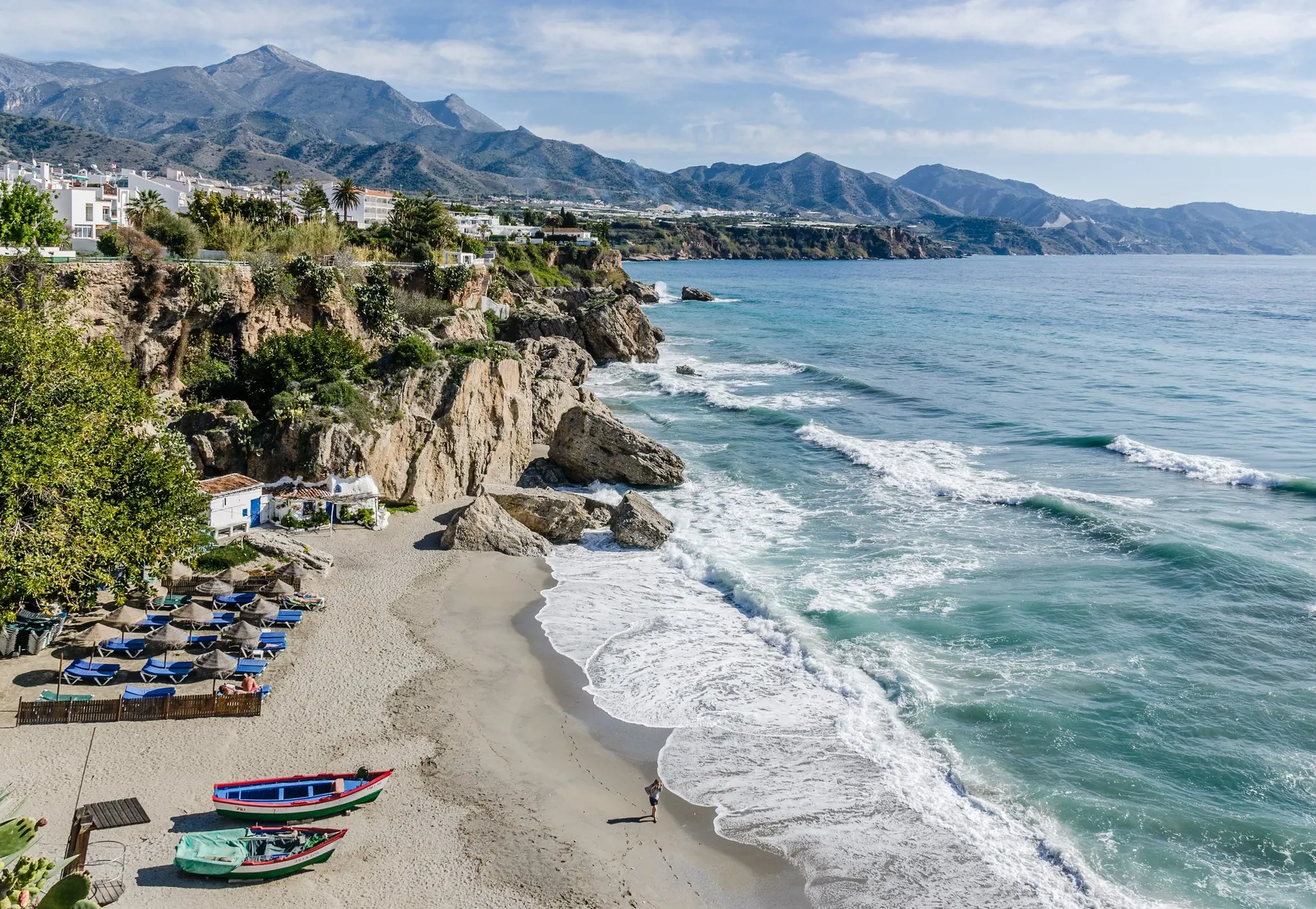
Spain is one of the easiest countries in Europe to travel with children. Families are at the centre of social life, children are welcome almost everywhere, and evenings outdoors are part of the culture rather than an exception. Yet a family trip to Spain also has its own rhythms: midday heat, late dinners, cobbled old towns and long distances between cities. This guide covers how to choose your bases, how to pace each day, and what you need to know about strollers, parks, beaches, theme parks and car seats.
Choosing where to go
A family trip works best with two or three bases and short transfers between them. These are the most rewarding choices for children of different ages.
| Destination | Why it works for families | Best ages | Season tips |
|---|---|---|---|
| Valencia | Beaches, the Oceanogràfic aquarium, Bioparc, the Turia park with the Gulliver playground, short distances | All ages | Spring to autumn; summer cooled by the sea |
| Madrid | Big parks, the Retiro boats, Parque Warner, zoo, easy day trips | 5+ for museums, all ages for parks | Spring and autumn; very hot in July–August |
| Barcelona | Beaches, aquarium, CosmoCaixa, Tibidabo, PortAventura within reach | 6+ for Gaudí sites | Late spring and September |
| Málaga & Marbella | Calm beaches, long promenades, Bioparc Fuengirola, Selwo | All ages | Year-round; beach season June–September |
| Andalusia's cities | Palaces with gardens and fountains, horse carriages, history told through stories | 7+ for monuments | Spring and autumn; avoid midsummer inland |
For a first family trip, Madrid plus Valencia, or the Costa del Sol plus Granada, give a good balance of city and space. For older children and teenagers, the Madrid–Andalusia route or Barcelona with a PortAventura day are popular.
Pacing the day the Spanish way
The best advice for families in Spain is to adopt local rhythms rather than fight them.
- Morning (9:00–13:30): the best time for monuments, museums and walking. Start early, especially from June to September.
- Lunch (14:00–16:00): the main meal of the day in Spain. Many restaurants open their kitchens only from about 13:30.
- Rest (15:00–18:00): in summer, inland cities are at their hottest. Spanish families stay indoors or by a pool. This is the moment for a hotel nap, not a walking tour.
- Evening (18:30–22:30): parks, plazas and promenades fill with families. Children play outside until late, and nobody finds it unusual.
- Dinner (from 20:30 or 21:00): restaurants rarely serve dinner before 20:00. With young children, an early tapas supper or a hotel dinner may suit better.
Heat and summer travel
In July and August, Seville, Córdoba and Madrid often see afternoon temperatures well above 35 °C, and heatwaves can push them over 40 °C. AEMET, the Spanish meteorological agency, issues heat warnings by province, and it is worth checking them during your trip.
- Keep children in shade between about 13:00 and 18:00.
- Carry water and refill bottles at your hotel or in cafés.
- Use hats and high-factor sunscreen, even in the city.
- Choose hotels with a pool for the afternoon break.
- Consider spending the hottest weeks on the coast, where sea breezes make temperatures more bearable.
Strollers and getting around on foot
Spain's old quarters are beautiful but not always stroller-friendly. The Albaicín in Granada, the Santa Cruz quarter in Seville, Toledo and the hill towns are steep, narrow and cobbled.
- Bring a light, foldable stroller rather than a heavy pram, and a baby carrier for steep areas.
- Monuments have their own rules. At the Alhambra, for example, strollers can be used on paths but not inside the visitable spaces; the official FAQ lists free stroller storage and baby carriers up to 12 kg at the Puerta del Vino.
- Metro stations vary: newer ones have lifts, older ones may have long stairs.
- A car with driver removes most of the friction in cities like Toledo or Granada, where it can bring you close to the entrance and wait while you visit.
Parks, beaches and theme parks
City parks
Spain's cities have generous green spaces: the Retiro and Casa de Campo in Madrid, the Ciutadella in Barcelona, the Turia gardens in Valencia, the María Luisa park in Seville. Most have playgrounds, cafés and shade.
Beaches
Spanish beaches are generally clean, with lifeguards in season and flags indicating sea conditions (green, yellow, red). For young children, look for gently shelving sandy beaches: Valencia's city beaches, the Costa Daurada near Salou and Cambrils, and much of the Costa del Sol. Many Spanish beaches carry the Blue Flag award, but check conditions locally each day.
Theme parks and animal parks
| Park | Location | Notes |
|---|---|---|
| PortAventura World | Salou, about 1 h 15 by road from Barcelona | Theme park, Ferrari Land and a water park; plan a full day or more |
| Parque Warner Madrid | San Martín de la Vega, south of Madrid | Theme park based on Warner Bros. characters; a water park opens in summer |
| Bioparc Valencia | Valencia | Immersive zoo focused on African habitats |
| Oceanogràfic | Valencia | Large aquarium at the City of Arts and Sciences |
| Isla Mágica | Seville | Theme park on the former Expo 92 site, with a summer water area |
| Bioparc Fuengirola and Selwo Aventura | Costa del Sol | Zoo and safari-style park, easy from Marbella and Málaga |
Opening seasons vary, and some parks close or reduce opening days in winter. Check the official websites and book in advance in school holidays.
Food and late dinners
Spanish food is easy for children: tortilla (potato omelette), croquetas, grilled chicken, rice dishes, fresh bread and fruit. Many restaurants will adapt a dish on request. As elsewhere in Spain, many dishes contain pork, so ask clearly if this matters to you; our guide to Muslim-friendly Spain explains how to check halal certification.
Restaurant culture is relaxed with children, but formal restaurants may have few high chairs. Supermarkets and pharmacies carry baby food, nappies and formula.
Child seats in cars: what Spanish rules say
Spain's traffic authority, the DGT, sets clear rules:
- Up to 135 cm tall: children must use an approved child restraint system (child seat or booster) suited to their height and weight.
- Rear seats: children up to 135 cm must, as a general rule, travel in the rear seats. They may travel in the front only in specific cases, such as when the vehicle has no rear seats or the rear seats are already occupied by other children, and always in a suitable restraint with the front airbag deactivated for rear-facing seats.
- 135 cm and above: children may use the vehicle's seat belts, although the DGT recommends continuing with a restraint up to 150 cm.
- Rear-facing: the DGT advises keeping babies and toddlers in rear-facing seats as long as possible.
Taxis are generally not equipped with child seats and are not obliged to provide them. For transfers and day trips, it is safest to request child seats in advance, stating each child's age, height and weight.
Where we can help
Our team arranges family-friendly services on request: airport transfers with child seats requested in advance, a car with driver for day trips, and private days such as Madrid at your own pace or Valencia: Arts City and the Albufera, planned around naps and meals. For arrival logistics, see our Madrid airport guide. Tell us your children's ages and your travel dates through the trip planner, and the team will confirm what is possible.
Questions readers ask
Do children need a car seat in Spain?
Do taxis in Spain provide child seats?
Is Spain safe and welcoming for families?
What is the best time to visit Spain with children?
Which Spanish city is best for a family holiday?
Sources
- DGT (Dirección General de Tráfico) — Travelling with children
- BOE — Real Decreto 667/2015 on seat belts and child restraint systems
- AEMET — Spanish State Meteorological Agency
- Patronato de la Alhambra — FAQ (strollers and baby carriers)
- PortAventura World — official site
- Parque Warner Madrid — official site
- Bioparc Valencia — official site
Opening times, ticket rules and fares change. Always confirm on the official site before you travel.


