Barcelona: A Gaudí Day
Antoni Gaudí's Barcelona in one well-paced day: the Sagrada Família, the mosaics of Park Güell and the façades of Passeig de Gràcia, linked by car between timed entries.
Price on requestWe send a written quote
Gaudí, the Mediterranean and a city built for walking
Barcelona pairs a medieval old town and Gaudí's extraordinary buildings with beaches, markets and a confident Catalan identity, all within walking distance of the sea.
Barcelona is a city that rewards curiosity. In one morning you can step from a Roman wall into a Gothic cathedral cloister, then cross a nineteenth-century grid where balconies ripple like waves and a basilica rises higher than any church on earth. In the afternoon, the sea is never more than a short ride away. It is Spain's second city and the capital of Catalonia, with its own language, cuisine and festivals, and that distinct identity is part of what makes it memorable.
Barcelona grew from a Roman settlement into a medieval Mediterranean power, then reinvented itself twice: in the late nineteenth century, when the Eixample extension and the Catalan Modernisme movement gave the city its signature architecture, and again for the 1992 Olympic Games, which opened the city to its seafront. Today it is outward-looking and design-minded, proud of Catalan culture yet used to welcoming the world.
You will hear Catalan and Spanish everywhere; signs are often in Catalan first. English is widely spoken in hotels and central restaurants.
Barri Gòtic (Gothic Quarter). The oldest part of the city, around the cathedral and Plaça Sant Jaume, with traces of Roman Barcino and a maze of stone lanes. Atmospheric by day; busy, so keep an eye on bags.
El Born. Across Via Laietana, home to the soaring Santa Maria del Mar, the Picasso Museum and stylish small shops. A favourite for an evening walk.
Eixample. The elegant grid designed by Ildefons Cerdà, with Passeig de Gràcia, Gaudí's Casa Batlló and La Pedrera, and the city's best shopping. Wide pavements and many good hotels make it a natural base for families and couples.
Gràcia. Once a separate town, now a village within the city: small squares, independent shops and a local evening atmosphere.
Barceloneta and the Port. The old fishermen's quarter, now the gateway to the city beaches, seafood restaurants and the Port Vell marina.
Montjuïc. The green hill above the port with the National Art Museum of Catalonia (MNAC), the Fundació Joan Miró, Olympic venues, gardens and a cable car.
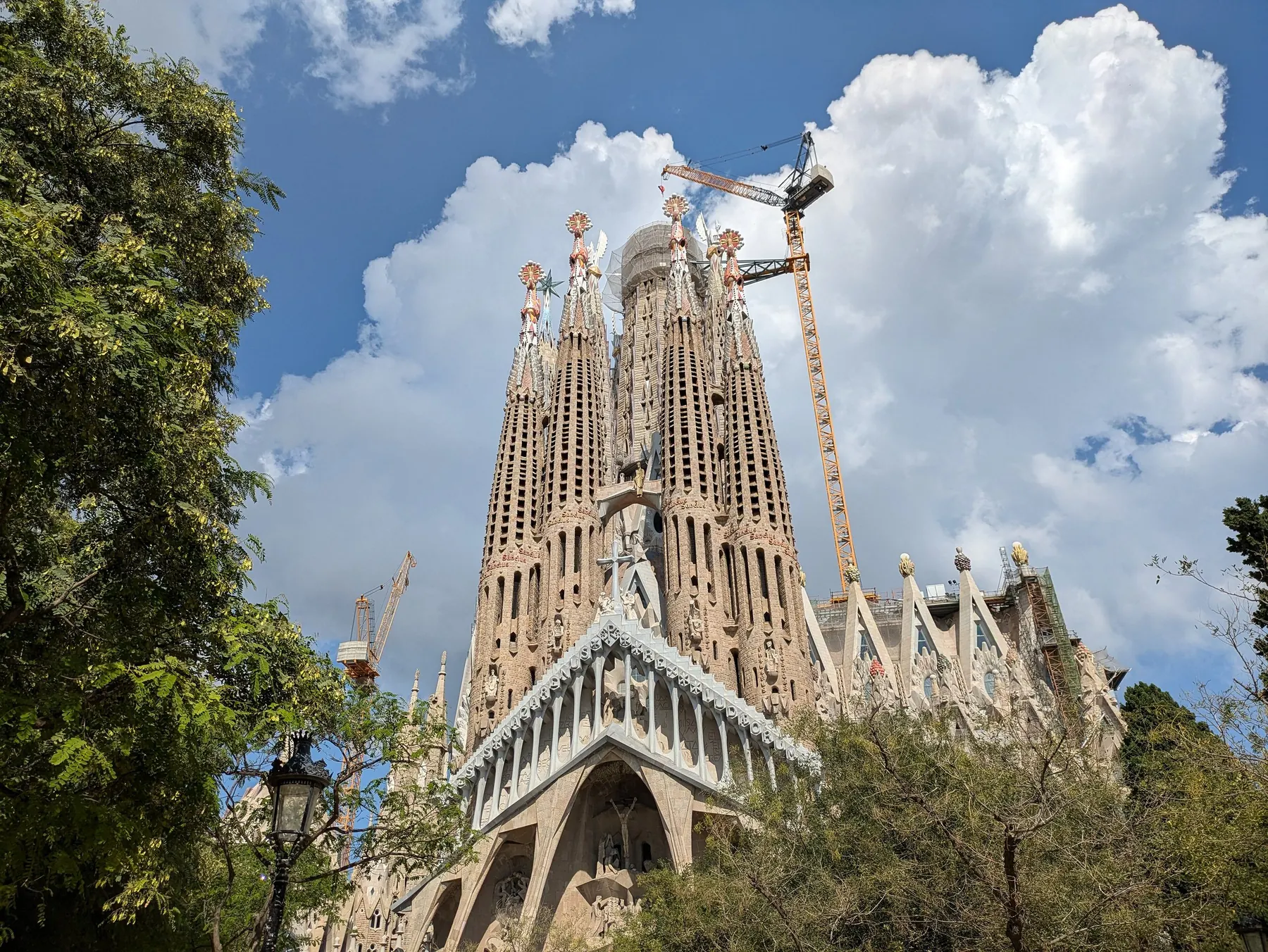
The Sagrada Família is Antoni Gaudí's life's work, begun in 1882 and still being completed. In June 2026, the centenary of Gaudí's death, the central Tower of Jesus Christ was blessed, bringing the basilica to 172.5 metres and making it the tallest church in the world. Inside, the stained glass turns the nave into a forest of coloured light; morning and late-afternoon slots show it at its best. Tickets are timed and sell out well ahead in high season, so book on the official website.
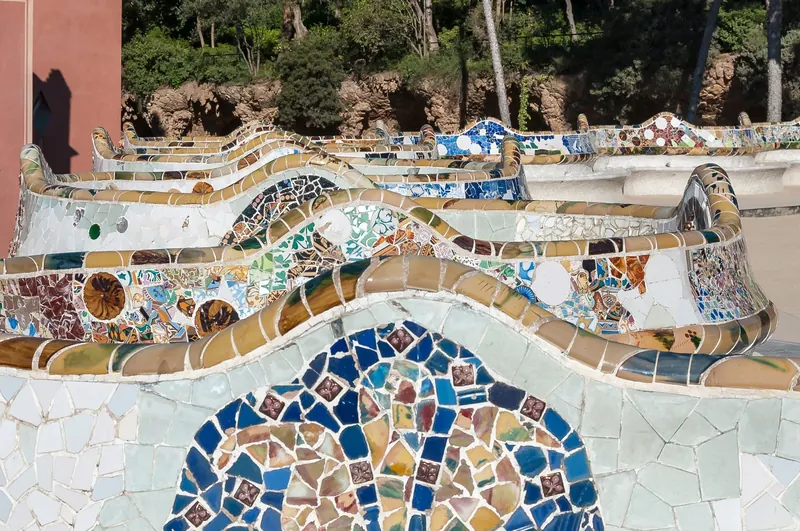
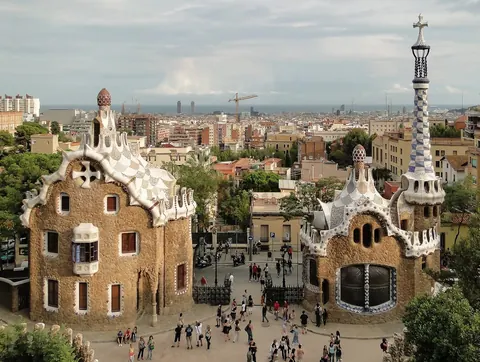
Park Güell began as a garden-city project and became a public park. Its monumental zone, with the mosaic terrace and the famous salamander, requires a timed ticket.
Casa Batlló and La Pedrera (Casa Milà) on Passeig de Gràcia show Gaudí's domestic architecture at its most inventive: curving façades, light wells and rooftops of sculpted chimneys. Seven of Gaudí's works are on UNESCO's World Heritage List.
The Palau de la Música Catalana, by Lluís Domènech i Montaner, is a concert hall wrapped in mosaics and stained glass; attending a performance is the best way to see it.
Barcelona Cathedral and Santa Maria del Mar reveal the city's Gothic past, the second built by the guilds of the medieval port.
La Boqueria market on La Rambla is busy and photogenic; for a calmer market experience, try Santa Caterina in El Born or Sant Antoni.
Football lovers will want to see Barça's stadium, Spotify Camp Nou, which has been undergoing a major renovation; check the club's website for current tour arrangements.
Catalan cooking draws on sea and mountain (mar i muntanya). Start with pa amb tomàquet (bread rubbed with tomato and olive oil), then try escalivada (roasted vegetables), suquet (fish stew), fideuà (a noodle cousin of paella) and crema catalana for dessert. In winter, look for calçots, grilled spring onions dipped in romesco sauce.
Seafood restaurants line Barceloneta and the Port Olímpic. As elsewhere in Spain, many dishes include pork or wine; ask clearly and see our guide to Muslim-friendly travel in Spain for how to check food certification. Barcelona has a sizeable Muslim community, particularly in the Raval area.
Dinner rarely starts before 20:30, but Barcelona is slightly earlier than Madrid.
The beaches, the Aquarium in Port Vell, the CosmoCaixa science museum, the zoo and the Tibidabo amusement park on the hill above the city all appeal to children. For a full theme park day, PortAventura World near Salou lies a little over an hour to the south by road. Barcelona's main sights involve queues and timed entries, so plan no more than one major ticketed visit per day with young children. Our family guide to Spain covers rhythms and car seats.
Pickpocketing is the city's best-known nuisance, especially on La Rambla, the metro and crowded beaches. Keep phones and wallets zipped away; it is a matter of habit, not fear.
Barcelona pairs naturally with Madrid (about two and a half hours by high-speed train) and with Valencia (around three hours by train along the coast). Direct high-speed services also link Barcelona with Seville and Málaga, though a domestic flight is often faster for Andalusia. Our guide to getting around Spain compares trains, flights and driving.
The most popular half-day trip is the mountain monastery of Montserrat, about an hour inland; we arrange it privately as a Montserrat half day.
The metro, buses and taxis cover the city well, and the Eixample is pleasant on foot. Many central streets are pedestrian-priority, and parking is expensive, so self-driving is rarely worth it inside the city.
A car with driver makes sense from the airport, for families with luggage, and for a Gaudí day that links the Sagrada Família, Park Güell and Passeig de Gràcia without waiting for transport between timed entries; see our Barcelona Gaudí day. We arrange airport transfers and a car with driver on request; share your dates through the trip planner and the team will confirm availability.
Antoni Gaudí's Barcelona in one well-paced day: the Sagrada Família, the mosaics of Park Güell and the façades of Passeig de Gràcia, linked by car between timed entries.
Price on requestWe send a written quote

A half day to Catalonia's sacred mountain: jagged rock pinnacles, a thousand-year-old monastery, the Black Virgin of Montserrat and wide views over the countryside.
from €280 / vehiclePrice online · we confirm, then you pay
Save the ones you like to My Trip — we can build your programme around them.
Park / garden
Gaudí's hillside park above Barcelona, with its colourful mosaic benches and the famous dragon at the entrance.
Tip: The monumental zone needs a timed ticket — book it on the official website.
Official website ↗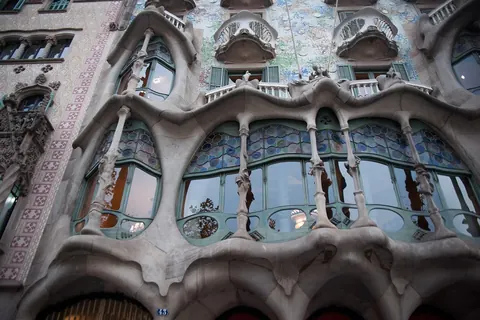
Landmark
Gaudí's rippling façade of 'bones and scales' on Barcelona's grandest shopping avenue.
Tip: Walk on to Casa Milà (La Pedrera) to see two Gaudí buildings in one stroll.
Official website ↗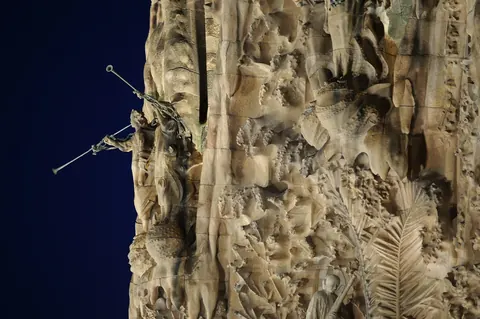
Landmark
Gaudí's masterpiece, begun in 1882 and still under construction; the coloured light inside stays with you.
Tip: Tickets sell out in high season — book on the official website before you travel.
Official website ↗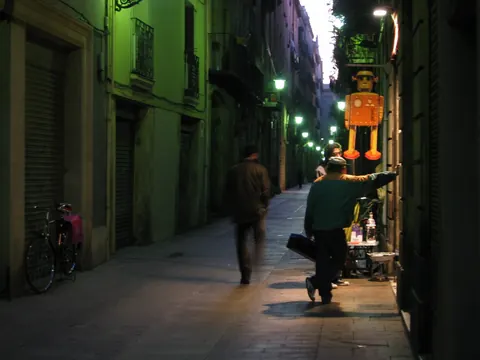
Neighbourhood
A maze of stone lanes around the cathedral, with Roman wall fragments, small squares and cafés.
Tip: Best early in the morning, before the lanes fill up.